
How To Re Insulate A Mobile Home | Advantages | Floor – Best 9 Steps

External House Insulation: The Complete Guide to Warmer, Energy-Efficient Homes You’re heating along with cooling system might not be the issue if your house feels chilly in the winter and overheats in the summer, or your energy costs continue to rise you wil face this problem. Uncomfortable interior temperatures and needless energy loss are frequently caused by inadequate wall insulation. So that The External home insulation can able to becomes a useful solution in this situation. Let's see the detail information about this. Homeowners who want to increase energy efficiency without altering the interior of their homes are increasingly turning to external insulation. It helps keep interior temperatures reasonable and perfect for all year round by forming a protective thermal layer surrounding the structure it's very important. Everything you need to know about the external house insulation and it will be covered in this thorough informative guide, including advantages, materials along with the installation techniques, costs, as well as how to pick reliable external wall insulation providers for your project. What Is The External House Insulation, Let's See- Now we will see The process of insulating a property by affixing insulating materials to a building's exterior walls is called external house insulation, or external wall insulation (EWI). A protective finish, such as render, cladding, or decorative coatings, is applied to the insulation after it has been installed. External insulation enhances thermal performance without changing your home's interior proportions, as contrast to internal insulation, which takes up space. It efficiently reduces heat loss and thermal bridging by encasing the property in a continuous layer of insulation. We can see the Older homes usually with solid walls that don't have cavity wall insulation will benefit most from this insulation technique. So, Homeowners can greatly increase comfort and energy efficiency while improving the beauty of their property by installing insulation on the outside. What Is The Reasons Behind Homeowners' Selection of External Wall Insulation We see, More and more contemporary homes are searching for methods to cut back on energy use as well as utility costs. External insulation is one of the best home improvement expenditures available today only because of its many benefits. lets see what are they – Increased thermal efficiency Increased thermal efficiency is one of the main advantages we will see that. The insulation inhibits heat transfer by creating a continuous thermal barrier because of it is laid outside the structure. This implies that your house remains cooler in the summer as well as warmer in the winter. Moisture protection Moisture protection is another significant benefit. Systems for external insulation aid in shielding walls from wind, rain, and temperature changes. According to our research By doing this, the likelihood of moisture, condensation, and mould growth within the building may be decreased. Enhance the aesthetics of a house May you know, External insulation can also help to enhance the aesthetics of a house along with comfort. Numerous systems come with ornamental finishes that can totally revitalize worn-out or outdated exterior walls, improving curb appeal and possibly raising the value of your property. Let's see more information about it- How Works of External House Insulation External insulation works on a straightforward but very powerful basis. Warm regions naturally transfer heat to cooler ones. Heat produced inside your house escapes through windows, floors, roofs, and walls throughout the winter. By forming a thermal barrier surrounding the structure, external wall insulation can help to reduces this heat transfer. By trapping air inside its structure, insulating material lessens heat transfer and contributes to consistent interior temperatures. Many thermal bridges are also eliminated by properly fitted external insulation. Thermal bridges are weak spots where heat can escape more readily, like corners, wall intersections, and structural components. External insulation boosts energy savings and enhances overall building performance by minimising these weak points. The Best Insulation for Outside Walls in Homes Your climate, financial constraints, and performance needs will determine which insulation is appropriate for your home's exterior walls. External wall insulation systems frequently employ a variety of insulating materials. Polystyrene Expanded (EPS) Because of its low cost and good thermal performance, EPS is one of the most used materials for external insulation. It is easy to install, lightweight, and resistant to dampness. EPS offers a great mix between cost and energy efficiency, which is why many homes pick it. It works especially well for residential structures when cost is a key factor. Insulation Made of Mineral Wool Mineral wool is renowned for its superior soundproofing and fire resistance. It offers exceptional thermal insulation and is made from natural rock materials. For multi-story buildings and places where fire safety is a top concern, this material is frequently advised. Additionally, mineral wool lets walls breathe, which lessens problems caused by dampness. Insulation using Phenolic Foam One of the best insulating values is provided by phenolic foam. Compared to other materials, it offers superior thermal performance and requires a lower insulation layer. Due to its higher efficiency, phenolic foam is generally preferred by homes with limited outside area, despite its tendency to be more expensive. PIR Boards and Polyurethane (PUR) Boards made of polyurethane and polyisocyanurate (PIR) offer superior thermal resistance and are very effective insulation materials. In contemporary energy-efficient building projects, they are frequently utilised. Because of their strong insulating value, installations can be thinner while still saving a substantial amount of energy. The External House Insulation Installation Procedure Expert knowledge and meticulous planning are necessary for installing external insulation. The essential processes are same, even though the precise procedure changes based on the insulation technology utilised. Preparing the external walls is the first step. Contractors check the state of the wall, fix any cracks, and make sure the surface is ready for installation. Insulation boards are then affixed to the walls either manually or via glue. To reduce gaps and enhance thermal performance, boards are arranged in a staggered arrangement. A reinforcing mesh is inserted into a base coat once the insulation has been fastened. This layer keeps cracks from forming while offering strength and longevity. Lastly, to preserve the insulation and enhance the property's appearance, a decorative finish like render, brick slips, or cladding is applied. The end product is a long-lasting, energy-efficient wall system that, with the right upkeep, can last for decades. Cost Benefits and Energy Savings The potential for long-term energy savings is one of the main reasons homeowners invest in external wall insulation. A large portion of a home's heat loss can be attributed to poorly insulated walls. External insulation lowers the energy required to heat and cool the property by enhancing thermal performance. Utility bills are immediately impacted by lower energy consumption. These savings have the potential to partially recoup the original cost of installation over time. External insulation may raise the value of a property in addition to lowering expenses. Buyers seeking better comfort and reduced operating expenses are increasingly drawn to energy-efficient homes. The advantages for the environment are also valued by many homeowners. Lower energy use results in lower carbon emissions and a reduced environmental impact. How Insulation for External Walls Enhances Comfort in Homes Despite being one of the most obvious advantages of insulation, comfort is frequently disregarded. Inadequate insulation can make rooms close to external walls seem too hot in the summer and too cold in the winter. Maintaining a suitable living environment is challenging due to temperature variations. By lowering heat transmission via walls, external insulation aids in maintaining interior temperature stability. Cold spots are greatly decreased, and rooms become more comfortable all year round. Additionally, by lowering noise from neighbours, traffic, and outdoor activities, the insulation enhances acoustic performance. After adding external insulation, homes close to busy highways frequently see a discernible decrease in noise. Typical Exterior Finish Types A range of finish options are available for external insulation systems to accommodate various architectural types and homeowner preferences. Among the most common options are rendered finishes. They come in a variety of hues and textures and offer a tidy, contemporary look. Brick-slip systems offer the advantages of contemporary insulation technologies while maintaining the appearance of historic brickwork. Options for timber and composite cladding can significantly improve curb appeal and produce a modern look. Stone-effect coatings are widely employed on upscale residential houses because they provide a high-end appearance. With these treatment options, homeowners may simultaneously enhance their houses' functionality and aesthetics. Selecting Trustworthy External Wall Insulation Providers A successful installation depends on your choice of external wall insulation providers. Investigate nearby businesses that have a lot of experience with external insulation jobs first. Instead of using generic contractors with little knowledge with insulation, look for companies who specialise in external wall systems. Request references and sample projects from prospective contractors. Reputable businesses are typically pleased to offer case studies, client testimonials, and pictures of finished projects. Additionally, it's critical to confirm manufacturer approvals, insurance coverage, and certifications. Skilled installers can guarantee adherence to building codes and are knowledgeable about appropriate installation methods. Ask several businesses for comprehensive written quotes. You can find any hidden charges and comprehend price variations by comparing estimates. Keep in mind that the best value isn't usually found at the lowest price. Long-term performance and durability are frequently improved by using high-quality materials and expert craftsmanship. Factors Influencing Installation Prices A number of variables affect how much external insulation costs. One of the main factors affecting total cost is the size of the property. Bigger homes need more labour and materials, which raises project costs. Pricing is also impacted by the insulating material selected. EPS insulation is typically less expensive than premium materials like phenolic foam. Another factor is wall condition. There may be additional expenses if major repairs are needed prior to installation. The budget may also be impacted by the choice of finish. Generally speaking, decorative cladding systems are more expensive than conventional rendered finishes. Lastly, the location, level of experience of the contractor, and complexity of the project all affect labour expenses. Many homes discover that the long-term energy benefits outweigh the initial cost of external insulation. Upkeep and Lifespan The longevity of external wall insulation is one of its appealing qualities. When properly maintained, high-quality systems can last up to 40 years. Examining the outside coating for damage, cracks, or indications of water penetration is typically part of routine maintenance. In order to avoid more serious complications, minor flaws should be fixed right away. Periodically cleaning the outside helps keep it looking nice and keeps dirt from accumulating. The majority of contemporary render systems are made to withstand stains and algae, making upkeep very easy. Every few years, professional inspections can help spot possible issues before they become expensive repairs. Does External Home Insulation Make Sense? The answer is "yes" for a lot of homeowners. Energy savings, increased comfort, improved property appeal, and long-term value are all provided by external home insulation. The biggest benefits are frequently experienced by properties with solid walls, older construction, or inadequate insulation. Even while the initial installation cost may be high, it is often a good investment because to the decreased energy expenditures and improved property efficiency. Even while the initial installation cost may be high, it is often a good investment because to the decreased energy expenditures and improved property efficiency. External insulation may turn an inefficient property into a cosy, energy-efficient one when paired with high-quality construction and the best insulation for exterior walls. Concluding Remarks One of the best methods to increase a home's comfort, energy efficiency, and aesthetic appeal is to install external house insulation. It minimises energy costs, minimises heat loss, and shields the building from weather-related damage by forming a continuous thermal barrier around it. Selecting the appropriate insulation material and collaborating with knowledgeable external wall insulation businesses are crucial for getting the greatest results, whether you're remodelling an older property or trying to enhance the energy efficiency of a contemporary home. Purchasing the greatest insulation for your home's exterior walls will increase your property's worth over time in addition to improving daily comfort. External insulation is still one of the best home improvement tasks accessible today, especially since energy costs are still rising.

how to re insulate a mobile home/ fixing insulation under mobile home/ advantages of a mobile home

How To Re Insulate A Mobile Home – Restoring Cozyness: An All-Inclusive Guide to Reinsulating Mobile Home

Mobile houses provide a distinctive way of life and are praised for being flexible and reasonably priced. But with time, these methods of insulation may weaken, increasing energy costs as well as lowering comfort levels. Your mobile home’s insulation can be completely remodeled to increase overall coziness and energy efficiency. We’ll take you step-by-step through the process of properly reinsuring your mobile home in this extensive tutorial.

Evaluating the Requirement for Reinsulation

It’s important to evaluate the insulation in your mobile home before starting the re insulation process. Keep an eye out for any of the following indicators that a makeover might be necessary:

Air leaks and drafts:

Inspect for air leaks around doors, windows, and other apertures. These are unmistakable signs that your insulation may be failing.

Energy Bills:

Ineffective insulation may be to blame if your energy costs have been rising steadily without a discernible cause.

Temperature Variations:

Inhomogeneous heating or cooling in the house could be an indication of an insulation problem.

Visible Damage:

Look for obvious indicators of damage, including wetness, mold growth, or vermin infestations, on the insulation.

Assembling the Required Instruments and Supplies

After determining that re insulation is necessary, collect the equipment and supplies needed for the job. This is a minimal list to help you get going:

Tools:

how to re insulate a mobile home-  fixing insulation under mobile home- Tools
how to re insulate a mobile home- fixing insulation under mobile home- Tools

Knife for utility

staple gun

Measurement tape

Caulk gun

screwdriver

protective equipment (gloves, goggles)

Materials:- how to re insulate a mobile home

how to re insulate a mobile home/ fixing insulation under mobile home- Materials

Foam board, fiberglass, or reflective insulation are examples of insulating materials.

Vapor barrier (should it be separate from the insulating material)

Spray foam insulation or caulk

Weatherstripping for doors and windows

Replacement seals for windows and doors

Hangers for insulation beneath floors

Selecting the Appropriate Insulation

To get the best benefits, choosing the appropriate insulation is essential. Selecting materials intended for these constructions is crucial because the construction requirements for mobile homes differ from those for typical dwellings. Typical forms of insulation are as follows:

Fibreglass insulation is a common option because it’s inexpensive and simple to install.

Foam Board Insulation: Providing good insulation without taking up much space, foam board insulation is perfect for places with limited space.

Reflective insulation is a popular choice for mobile homes because of its superior ability to minimize radiant heat transmission.

How to Re Insulate A Mobile Home

Mobile home needs insulation like any other type of home. Insulation works the same as Air sealing to an old house, you may read the posts on how to air seal an old house, and if the insulation is removed silently then you need to, re-insulate the mobile home for that you should use the following steps-

1. Let’s start with doors and windows:

Examine the area for drafts and replace the weatherstripping if required.

Seal the spaces around window and door frames with caulk.

2. Evaluate and Change Damaged Insulation:

Take out any outdated or damaged insulation.

Make sure the new insulation material fits snugly before replacing it.

3. Take Care of Floor Insulation:

If your mobile home includes a crawl area, you might want to use insulation hangers to insulate the subfloor.

4. Improve Wall Insulation:

Gently take down any interior wall coverings.

Install stud-to-stud insulation.

5. Ceiling Insulation:

If possible, install ceiling insulation, particularly if the roof of your mobile home is flat.

6. fill Gaps and Cracks:

To fill any gaps or cracks in the walls or ceiling, use caulk or spray foam insulation.

7. Use an air barrier:

Put in a vapor barrier to stop problems with moisture. Make sure all of the insulation is covered.

8. Inspect HVAC System:

Verify the effectiveness of your HVAC (heating, ventilation, and air conditioning) system.

9. External Maintenance:

Look for possible problems, including broken roofing or siding, that could compromise insulation on the outside.

Advantages Of A Mobile Home
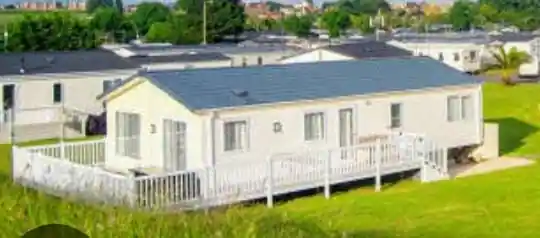
how to re insulate a mobile home-  advantages of a mobile home
how to re insulate a mobile home- advantages of a mobile home

A Complete Guide on the Significance of Re-Insulating Your Mobile Home

First of all, Because they are flexible and reasonably priced, mobile homes are becoming a more and more popular choice for housing. Nevertheless, these houses could sustain wear and tear with time, and insulation is frequently among the first parts to deteriorate. We’ll go over the advantages of re-insulating your mobile home in this blog post, along with the reasons it’s important.

1. Energy Conversion:- Advantages of a mobile home

The main motivation for re-insulating your mobile home is to increase its energy efficiency. Insufficient insulation might cause your HVAC system to work harder to maintain a comfortable temperature, which will increase your energy bills. 

2. Temperature Regulation:

Having good insulation is essential to keeping the inside climate agreeable. Because mobile homes are vulnerable to temperature fluctuations, having enough insulation will keep your house cool in the summer and warm in the winter. This extends the lifespan of your heating as well as cooling systems in addition to improving your quality of life overall.

3. Controlling Moisture:- Advantages Of A Mobile Home

Inadequate insulation can result in moisture-related problems like the growth of mold and mildew. A mobile home’s walls and ceiling can become wet, resulting in structural damage and potential health risks. By using contemporary materials for re-insulation, you may help build a barrier against moisture along with averting future issues, as well as it help to protect the health of your family 

4. Integrity of Structure:

The structural integrity of a mobile home may be jeopardized over time due to deteriorating insulation. Your home’s structural support can be restored by re-insulating the passive house, avoiding problems like drooping walls or ceilings for that you have need to re-insulate mobile home. This is particularly significant for mobile houses, as long-term structural stability is essential or most important.

5. Diminishing Noise:- Advantages Of A Mobile Home

A more tranquil and quiet home is another benefit of improved insulation. Mobile homes can be found in noisy neighborhoods. Having enough insulation in your home helps to absorb and reduce noise, making your interior feel calmer.

6. Increasing Property Worth:

Re-insulating your home can improve not just your current living situation but also increase its worth. Prospective purchasers are becoming more aware of energy efficiency, and a mobile home with sufficient insulation may be more attractive and affordable.

7. Effect on the Environment:

Improved insulation lowers energy use, which is consistent with sustainable living methods. Reduced energy use benefits the environment by leaving a lower carbon footprint. Re insulate the mobile home, it is a step towards lessening your overall environmental effect as well as making your home more environmentally friendly.

Re-insulating your mobile home is a wise long- and short-term investment. The advantages you will get by doing that’s, are numerous as well as range from structural integrity and environmental effect to energy efficiency along with climate management. You have need to make sure that your mobile home stays a cozy and environmentally friendly refuge for many years to come by doing routine maintenance and upgrades, such as adding more insulation. Think about speaking with an expert to determine your unique insulation requirements before starting the process.

Fixing Insulation Under Mobile Home

Repairing the insulation beneath a mobile home entails taking care of problems including moisture, broken insulation, and possible air leaks. Below is a detailed tutorial to assist you in doing this task:

Supplies and Equipment:

Safety Equipment:

Wear- Gloves Goggles for safety and duck mask

Materials for Dust Mask Insulation:

Rolls or batts of insulation (choose the right R-value for your area)

Vapour barrier, if necessary

Hangers for insulation or wire ties

Repair Materials:

Insulation tape or duct tape

Material for patching (damaged insulation)

Caulk or expanding Foam for sealing gaps

Tools-fixing insulation under mobile home

To seal gaps, use caulk or expanding foam. Tools:

Practical blade Staple gun

cutters of wire

Measurement tape, torch, safety ladder procedure

Steps for fixing insulation-

You should follow the following steps for re insulate a mobile home

Prioritising safety

Before you enter the crawl space under the mobile home, put on your safety gear.

Evaluate the Situation as It Is Now:

Examine the current insulation for evidence of pest infestation, deterioration, and moisture. Eliminate any damaged insulation.

Measure and Acquire- Fixing Insulation Under Mobile Home

To calculate the required amount of insulation, measure the space’s size. Invest in batts or rolls of insulation with the requisite R-value.

Set Up the Space:

Make sure there are no pest infestations and clear the crawl space of any debris. Before adding insulation, fix any leaks in the HVAC system or plumbing.

Put in a vapor barrier if necessary:

Install a vapor barrier initially in areas where it is required. To secure the barrier, overlap the seams and use tape.

Put in Insulation

Cut batts or rolls of insulation to size to fit in the voids left by floor joists. To fasten the insulation in place, use insulation hangers or a staple gun. Make sure it fits snugly to avoid air leaks.

Seal Joints and Gaps:

Check for cracks near ducts, pipes, and other openings. To stop air from leaking in, plug these cracks and gaps with caulk or expanding foam.

Restore any damaged insulation:

Replace any damaged insulation with fresh material. Make sure it fits correctly, then use tape or insulation hangers to fix it.

Safe Insulation

To keep the insulation in place, especially in places where there may be strong winds or disturbances, use wire ties or insulation hangers.

Check for Air Leaks:

To find any residual air leaks, feel for drafts or use a smoke pencil. Cover these leaks with foam or caulk.

Observe Frequently:

Check the insulation and crawl space regularly. If there are any problems, take quick action to keep the insulation functioning properly.

Keep in mind to abide by local building standards and regulations, and think about seeking professional advice if you run into serious problems or have questions about any part of the procedure.

 Bottom Line Of, How To Re Insulate A Mobile And Floor/ Advantages Of Mobile Home

Finally, to conclude the post, we must recommend you that, Keep in mind that improving the energy efficiency of your mobile home involves more than just insulation. Other crucial elements are adequate sealing, sufficient ventilation, and effective heating and cooling systems. When in doubt, it’s wise to seek professional advice to make sure your insulation project satisfies safety and efficiency requirements. So, you can follow the above steps and material to insulate and re insulate the home.

Do let us know how you feel about this information by commenting.

Like our Facebook page and follow for other updates like this.

Table of Contents

Scroll to Top