
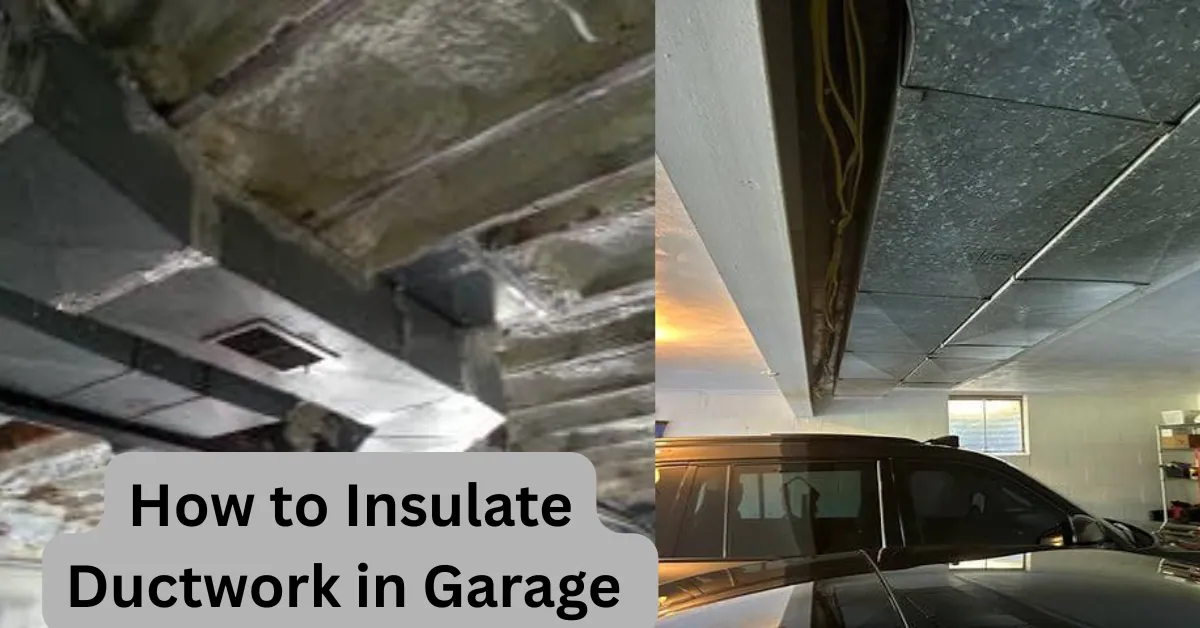
How to Insulate Ductwork in Garage- Complete Detailed Guide for Better Efficiency & Comfort
Introduction– How to Insulate Ductwork in Garage- Best 6 Benefits And Types |
If you have ductwork passing through your garage, you might be losing a lot of energy without even realizing it. Garages are usually not insulated like the rest of the house, so the ducts inside them are exposed to extreme temperatures. In summer, the hot air around the ducts can warm up the cool air flowing inside, and in winter, the cold air can reduce the warmth. Because of this, your HVAC system has to work harder, which increases your electricity bills. Insulating ductwork in the garage is a simple and effective solution that improves comfort and saves energy.
In this guide, you will learn everything in an easy, practical way. If you want to know infor,ation about the Raked Ceiling Insulation you may click here.
Why Insulating Garage Ductwork Is Important
When ducts are not insulated, the air traveling through them loses its temperature before reaching your rooms. This results in uneven cooling or heating inside the house. Insulating ductwork helps maintain the temperature of the air, making your HVAC system more efficient. It also reduces energy waste, lowers electricity bills, and prevents condensation that can lead to moisture problems. Overall, it is a small improvement that gives long-term benefits.
Why Insulating Garage Ductwork Is Important
Prevents Temperature Loss
Garages are not temperature-controlled, so ducts inside them are exposed to extreme heat and cold. Insulation helps maintain the temperature of the air flowing through the ducts, ensuring better heating and cooling inside your home.
Improves Energy Efficiency
When ducts are uninsulated, your HVAC system has to work harder to maintain the desired indoor temperature. Insulation reduces energy loss and helps the system run more efficiently.
Reduces Electricity Bills
By improving efficiency and reducing energy wastage, insulated ductwork lowers your overall electricity consumption, which directly reduces your energy bills.
Maintains Indoor Comfort
Insulated ducts deliver air at the right temperature, helping maintain consistent comfort in every room of your house.
Prevents Condensation and Moisture
Temperature differences between the duct air and garage air can cause condensation. Insulation prevents moisture buildup, reducing the risk of mold, mildew, and water damage.
Protects Ductwork from Damage
Continuous exposure to moisture and temperature changes can damage ducts over time. Insulation acts as a protective layer and increases durability.
Extends HVAC System Life
When the HVAC system doesn’t have to overwork due to temperature loss, it experiences less wear and tear, leading to a longer lifespan.
Improves Overall Home Efficiency
Properly insulated ductwork ensures that your heating and cooling system performs at its best, making your entire home more energy-efficient.
Best Materials for Duct Insulation in Garage & Step-by-Step Installation Guide

If your HVAC ducts pass through the garage, choosing the right insulation material is just as important as installing it properly. Many homeowners insulate ducts but still don’t get the best results simply because they used the wrong material. In this blog, we’ll talk in a simple, practical way about the best materials for duct insulation and the correct steps to install them. This guide is written in an easy, human-friendly style so you can follow it even if you are a beginner.
Why Choosing the Right Insulation Material Matters
The insulation material you choose directly affects how well your ductwork performs. A good insulation material helps maintain air temperature, reduces energy loss, prevents condensation, and increases the efficiency of your HVAC system. On the other hand, poor-quality or incorrect material can lead to gaps, moisture problems, and wasted effort. That’s why it’s important to understand your options before starting.
Best Materials for Duct Insulation
There are several types of insulation available in the market, but not all are suitable for garage ductwork. Let’s understand the best options in detail.
Fiberglass Duct Wrap- How to Insulate Ductwork in Garage
Fiberglass duct wrap is the most commonly used insulation material for ducts. It comes in rolls with a foil backing on one side. This material provides excellent thermal resistance and is affordable, making it a popular choice for homeowners.
Fiberglass wrap is flexible, so it can easily cover ducts of different shapes and sizes. The foil layer acts as a vapor barrier, preventing moisture buildup. However, it must be handled carefully, as fiberglass can irritate the skin and lungs. Wearing gloves and a mask is recommended while working with it.
Foam Board Insulation
Foam board insulation is a rigid material that provides strong insulation performance. It is usually used for rectangular ducts or areas where a solid structure is needed. Foam boards have high insulating value and are resistant to moisture.
This material is slightly more expensive and requires careful cutting and fitting. It is a good option if you want long-lasting and durable insulation, especially in areas with extreme temperatures.
Foam Pipe Insulation (Pre-Slit Tubes)
Foam pipe insulation is very easy to use, especially for round ducts. It comes in pre-cut tubes with a slit, so you can simply place it over the duct and seal it.
This material is beginner-friendly and quick to install. It also provides decent insulation and moisture resistance. However, it may not be suitable for large duct systems, as it is mainly designed for smaller pipes.
Reflective Insulation- How to Insulate Ductwork in Garage
Reflective insulation is made with aluminum foil layers that reflect heat instead of absorbing it. It works best in hot climates where heat reflection is important.
This type of insulation is lightweight and easy to install, but it may not provide as much thermal resistance as fiberglass. It is often used in combination with other insulation materials for better performance.
Which Material Is Best for Garage Ductwork?
For most homes, fiberglass duct wrap with foil backing is the best choice. It offers a good balance of cost, performance, and ease of installation. If you are looking for something more durable and moisture-resistant, foam board can be a better option. For quick DIY projects, foam pipe insulation works well for smaller ducts.
Tools and Materials Required
Before starting the installation, gather all the necessary tools. You will need insulation material (fiberglass or foam), foil HVAC tape, a measuring tape, a utility knife or scissors, and safety gear like gloves and a mask. Having everything ready will make the process smooth and efficient.
Step-by-Step Guide to Insulate Ductwork
Now let’s go through the complete installation process in a simple, step-by-step manner.
Step 1: Inspect the Ductwork- How to Insulate Ductwork in Garage
Start by checking your ducts carefully. Look for any leaks, gaps, or loose joints. If you find any issues, seal them using foil HVAC tape or duct sealant. This step is very important because insulation alone cannot fix air leaks.
Step 2: Clean the Surface
Make sure the duct surface is clean and dry. Remove dust, grease, or moisture so that the insulation and tape can stick properly. A clean surface ensures better adhesion and long-lasting results.
Step 3: Measure the Ducts
Use a measuring tape to measure the length and circumference of the ducts. Accurate measurements help you cut the insulation properly and avoid waste. Always keep a small extra margin for overlapping.
Step 4: Cut the Insulation Material
Cut the insulation according to your measurements using a sharp knife or scissors. Make sure the edges are neat and straight. Proper cutting makes the wrapping process easier and more effective.
Step 5: Wrap or Apply the Insulation
Now wrap the insulation around the duct. If you are using fiberglass, keep the foil side facing outward. Wrap it tightly but avoid compressing it too much, as this reduces its effectiveness.
If you are using foam insulation, place it over the duct and ensure it fits properly without gaps.
Step 6: Seal All Seams and Joints
Use foil HVAC tape to seal all seams, edges, and joints. Press the tape firmly to create an airtight seal. This step is crucial for preventing air leakage and maintaining insulation performance.
Step 7: Cover Corners and Bends- How to Insulate Ductwork in Garage
Pay extra attention to corners, bends, and joints. These areas are more prone to energy loss. Use smaller pieces of insulation to cover them properly and ensure complete coverage.
Step 8: Final Inspection
After completing the installation, inspect the entire ductwork. Check for any gaps, loose insulation, or unsealed areas. Make sure everything is secure and properly covered. A final check ensures that your work is effective.
Common Mistakes to Avoid
Many people make simple mistakes during insulation. Skipping leak sealing, leaving gaps, using low-quality tape, or compressing insulation too much can reduce efficiency. Taking time and working carefully helps you avoid these problems.
Benefits You Will Notice
After insulating your ductwork, you will notice improved comfort in your home. Rooms will heat and cool more evenly, and your HVAC system will work more efficiently. You will also see a reduction in energy bills and fewer moisture-related issues.
Conclusion of How to Insulate Ductwork in Garage
Choosing the right insulation material and installing it properly makes a big difference in your home’s comfort and energy efficiency. Whether you choose fiberglass, foam, or reflective insulation, following the correct steps ensures long-lasting results.
Insulating ductwork in the garage is a simple DIY project that offers great benefits. With the right materials and a little effort, you can improve your HVAC performance and save money in the long run.
Do let us know how you feel about this information by commenting.
Like our Facebook page and follow for other updates like this.