
Best Attic Insulation for Texas Homes: A Complete Guide for Homeowners in Austin, TX
Texas summers are famous for their intense heat. In cities like Austin, temperatures often stay above 100°F for days, making it difficult for air conditioners to keep homes cool. If your home feels hot even after running the AC all day, the problem may not be your cooling system—it could be your attic insulation.
A well-insulated attic works like a protective blanket. It slows down heat from entering your living space during summer while helping keep warm air inside during winter. The right insulation not only makes your home more comfortable but can also lower monthly utility bills and reduce the workload on your HVAC system. You can use more option to soundproof your homes.
Whether you’re building a new house or upgrading an older home in Austin, choosing the right attic insulation is one of the smartest investments you can make. This guide explains the best insulation options for Texas homes, their benefits, and how to choose the right one for your property.
Why Attic Insulation Is So Important in Texas– benefits of attic insulation
Texas experiences one of the hottest climates in the United States. During summer, attic temperatures can easily reach 130°F to 150°F. Without enough insulation, that heat travels through the ceiling and into your home. As a result, your air conditioner works much harder to maintain comfortable indoor temperatures.
Proper attic insulation creates a thermal barrier that reduces heat transfer. This helps your home stay cooler during summer and warmer during winter. Besides improving comfort, quality insulation also reduces energy waste, improves indoor air quality, extends the lifespan of your HVAC system, and even helps reduce outside noise.
Many homeowners notice immediate improvements after upgrading their attic insulation, especially if their existing insulation is old, compressed, or damaged.
What Makes Texas Homes Different?
Not every insulation product performs equally well in every climate. Texas has long, hot summers, mild winters, high humidity in many regions, and occasional winter cold fronts. Because of these changing conditions, homeowners need insulation that performs well throughout the year.
In cities like Austin, homes benefit most from insulation that offers excellent thermal resistance while also helping control moisture and air leaks. Choosing insulation designed for Texas weather provides better long-term performance than selecting products intended for colder climates.
Spray Foam Insulation: best attic insulation for texas homes
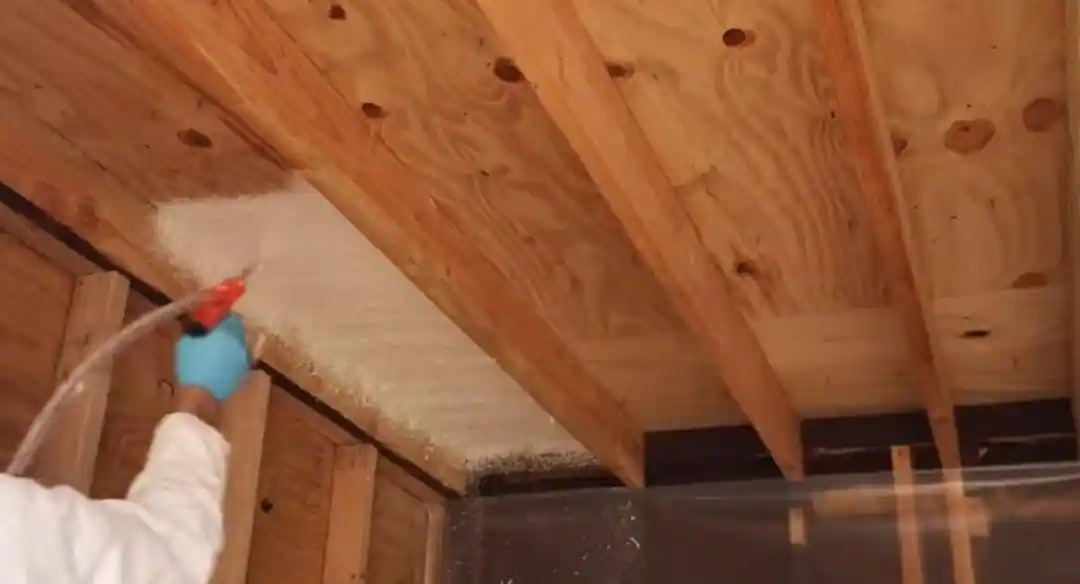
Spray foam insulation has become one of the most popular options for Texas homeowners because it offers excellent energy efficiency.
Unlike traditional insulation, spray foam expands after application. It fills small gaps, cracks, and hard-to-reach spaces where air normally escapes. This creates an effective air seal that significantly reduces heat transfer.
One of the biggest advantages of spray foam is its high R-value, which measures insulation performance. Because it seals air leaks as well as insulates, many homeowners experience lower energy bills after installation.
Spray foam also helps reduce moisture problems, discourages mold growth, improves indoor comfort, and strengthens certain building structures.
Although it has a higher upfront cost than fiberglass or cellulose, many homeowners recover the investment through lower heating and cooling costs over time.
Spray foam works especially well for newer homes, homes undergoing major renovations, and homeowners looking for maximum energy efficiency.
Fiberglass Insulation: Affordable and Reliable

Fiberglass insulation remains one of the most common attic insulation materials across Texas.
It is available in batts or loose-fill form and provides dependable thermal protection at an affordable price. Fiberglass is made from tiny glass fibers that trap air, slowing the movement of heat.
Many homeowners choose fiberglass because it is budget-friendly, widely available, easy to install, and requires little maintenance.
While fiberglass performs well, it does not seal air leaks like spray foam. If gaps around vents, electrical wiring, or attic openings remain unsealed, cooled air can still escape.
Fiberglass works best when installed correctly with proper attic air sealing beforehand.
Cellulose Insulation: An Eco-Friendly Option
Cellulose insulation has become increasingly popular among environmentally conscious homeowners.
Made primarily from recycled paper products treated with fire-resistant chemicals, cellulose offers excellent thermal performance while reducing environmental waste.
Loose-fill cellulose fills irregular attic spaces more effectively than fiberglass batts. It also provides good soundproofing and helps reduce airflow through small gaps.
Because cellulose is denser than fiberglass, it can perform especially well in older homes where framing is uneven.
Professional installation is recommended to ensure the correct depth and even coverage throughout the attic.
Radiant Barrier: A Perfect Addition for Texas Homes
While radiant barriers are not insulation by themselves, they are extremely effective in hot climates like Texas.
A radiant barrier consists of reflective material installed beneath the roof decking. Instead of absorbing heat, it reflects radiant heat away from the attic.
When combined with traditional insulation, radiant barriers can reduce attic temperatures significantly during summer.
Many Austin homeowners choose radiant barriers because they help lower cooling costs, reduce heat buildup, improve HVAC efficiency, and increase indoor comfort.
For maximum performance, radiant barriers should always be paired with adequate attic insulation.
Recommended R-Value for Texas Attics
The effectiveness of insulation is measured using its R-value. Higher R-values provide greater resistance to heat flow.
For most Texas homes, experts recommend attic insulation between R-38 and R-60, depending on your home’s age, roof design, and local climate zone.
Homes with older insulation often fall well below today’s recommendations. Upgrading insulation to modern standards can dramatically improve comfort and reduce energy costs.
Signs Your Attic Needs More Insulation
Many homeowners don’t realize their attic insulation has become ineffective over time.
Common warning signs include rooms that stay hot during summer, unusually high electricity bills, uneven temperatures throughout the house, excessive HVAC usage, ice-cold ceilings during winter, and visible gaps or compressed insulation in the attic.
If your insulation is more than 15 to 20 years old, it may no longer provide the protection your home needs.
A professional attic inspection can determine whether adding insulation or replacing existing material is the better solution.
Best Insulation for Homes in Austin, TX
Austin homeowners experience long periods of intense summer heat combined with occasional freezing winter temperatures.
For most homes in Austin, experts recommend combining several energy-saving solutions rather than relying on a single product.
Many energy-efficient homes use spray foam insulation for air sealing, blown-in fiberglass or cellulose for thermal resistance, and a radiant barrier to reduce solar heat gain.
This combination creates excellent year-round comfort while helping lower monthly energy bills.
Older homes often benefit from attic air sealing before new insulation is installed, as sealing leaks prevents conditioned air from escaping.
Professional Installation vs DIY- benefits of attic insulation
Although some insulation products are available for DIY installation, professional installation usually provides better long-term results.
Experienced insulation contractors understand local building codes, proper R-value requirements, ventilation needs, and moisture management. They also have specialized equipment that ensures even coverage throughout the attic.
Improper installation can reduce insulation performance, create moisture issues, or leave gaps that allow heat to enter the home.
For homeowners investing in premium insulation like spray foam, professional installation is strongly recommended.
How Much Can You Save?
Every home is different, but upgrading attic insulation often leads to noticeable energy savings.
Because less heat enters your home during summer, your air conditioner runs fewer hours each day. This reduces electricity usage, lowers monthly cooling costs, and decreases wear on HVAC equipment.
Many homeowners also notice improved indoor comfort immediately after installation, with fewer hot spots and more consistent temperatures throughout the house.
Over several years, these energy savings can offset much of the installation cost.
Tips for Choosing the Right Attic Insulation
Selecting the best insulation depends on your home’s age, budget, and long-term goals.
If your priority is maximum energy efficiency, spray foam offers outstanding performance.
If you’re looking for a balance between affordability and effectiveness, fiberglass remains an excellent option.
Homeowners interested in environmentally friendly materials often choose cellulose.
For homes in Central Texas, adding a radiant barrier alongside traditional insulation provides additional protection against extreme summer heat.
A professional energy assessment can help determine which combination will deliver the greatest benefit for your specific home.
Final Thoughts
Attic insulation is one of the most valuable upgrades you can make for a Texas home. Whether you live in Austin or another part of the state, quality insulation helps reduce energy costs, improve comfort, protect your HVAC system, and make your home more enjoyable throughout the year.
There is no single insulation product that fits every home. Spray foam offers premium energy efficiency, fiberglass delivers dependable performance at an affordable price, cellulose provides excellent environmental benefits, and radiant barriers are ideal for reducing Texas heat.
The best results often come from combining these solutions based on your home’s design and energy needs. Investing in the right attic insulation today can provide comfort and savings for many years to come.
Do let us know how you feel about this information by commenting.
Like our Facebook page and follow for other updates like this.