
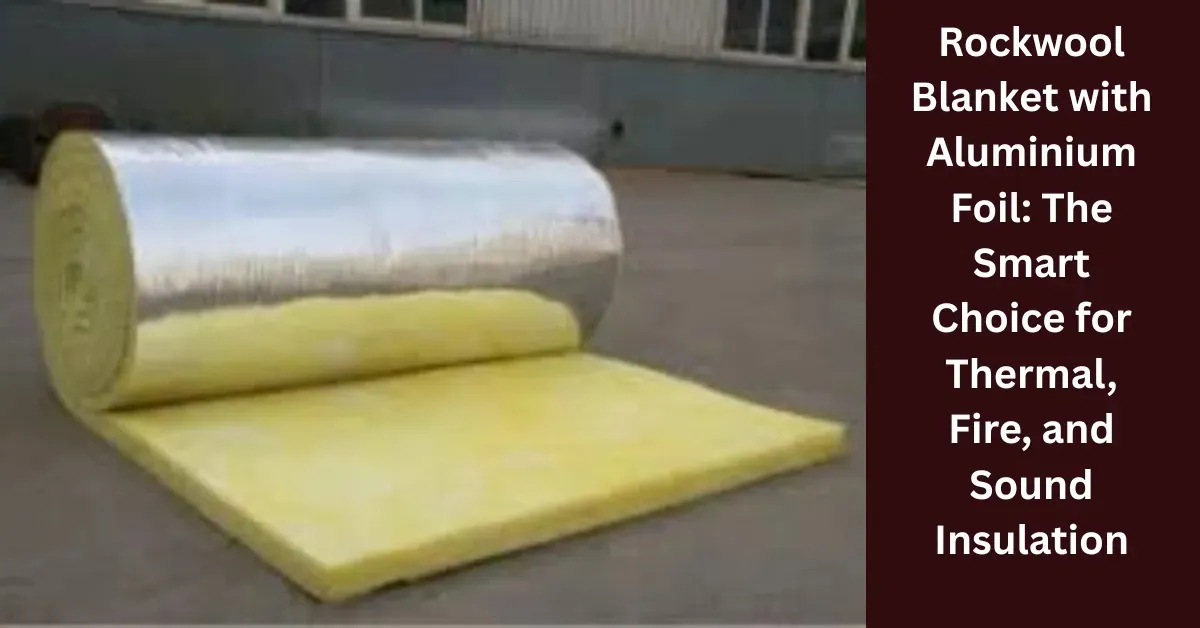
Rockwool Blanket with Aluminium Foil: The Smart Choice for Thermal, Fire, and Sound Insulation
Selecting the appropriate insulation material is crucial for preventing heat loss, noise, and fire in buildings, factories, pipelines, and HVAC systems. The rockwool blanket with aluminum foil is one of the most reliable insulating items used worldwide. It is a great option for residential, commercial, and industrial applications because it combines the superior insulating qualities of rockwool with the reflective protection of aluminum foil.
Knowing how insulation functions can help you make a better investment, whether you are building a new structure or updating an existing one. This guide will teach you everything there is to know about rockwool blankets with aluminum foil, including their features, advantages, uses, installation procedure, upkeep advice, and purchasing guide. If you want to read about best Attic Insulation For Houston then click and read here.
A Rockwool Blanket with Aluminum Foil: What Is It?
A flexible insulation blanket made from recyclable materials and natural volcanic rock is called a rockwool blanket with aluminum foil. In order to create a dense blanket that can withstand heat, fire, and sound, the pebbles are melted at extremely high temperatures and spun into fine fibers.
The blanket is layered with aluminum foil on one side to enhance performance. In addition to shielding the insulation from dust, moisture, and environmental deterioration, this foil serves as a reflecting barrier that lowers radiant heat transfer.
An effective insulation system appropriate for high-temperature settings is produced by combining mineral wool insulation with aluminum foil.
How Does an Aluminum Foil Rockwool Blanket Operate?
Two distinct functioning concepts underpin this insulation’s efficacy. Millions of small air pockets are trapped by the rockwool fibers, slowing the transfer of heat. Simultaneously, radiant heat is reflected away from the insulated surface by the aluminum foil.
In winter, less heat exits, while in summer, less heat enters due to decreased conduction and radiation. This lowers energy use while assisting in maintaining a suitable interior temperature.
The blanket is a great material for acoustic insulation because of its dense fiber structure, which also absorbs sound waves.
Rockwool Blanket with Aluminum Foil’s Key Features
Rockwool blankets have a number of exceptional qualities that make them appropriate for harsh settings.
ven at extremely high temperatures, the insulation doesn’t melt or burn readily. The insulation surface is shielded and radiant heat is reflected by the aluminum foil front. The blanket is flexible, lightweight, and simple to put around equipment, ducts, tanks, and curved pipelines. Additionally, it maintains outstanding thermal performance for many years while resisting the absorption of moisture.
Property owners can benefit from dependable insulation without having to repair it frequently because to its lengthy service life.
Rockwool Blanket with Aluminum Foil Advantages:
Superior Thermal Insulation
The outstanding thermal insulation capabilities of the rockwool blanket with aluminum foil are among its main benefits. It improves building energy efficiency and helps industrial systems maintain operating temperatures by slowing heat transfer.
As a result, year-round heating and cooling expenses are reduced.
Increased Fire Resistance– rockwool blanket with aluminium foil

Rockwool is inherently non-flammable, in contrast to many insulation materials. It is resistant to flame spread and can tolerate temperatures above 1000°C.
Insulation serves as a barrier to prevent heat from spreading during a fire, giving people more time to flee and minimizing structural damage.
Because of this, rockwool is among the safest materials for insulation.
Excellent Soundproofing
Airborne sound is efficiently absorbed by the dense fiber structure. Because of this, rockwool blankets are perfect for lowering undesired external noise, industrial equipment vibration, HVAC system noises, and machinery noise.
Rockwool-insulated buildings frequently have more peaceful and cozy interior spaces. rockwool blanket with aluminium foil best for insulation.
Protection Against Moisture
Additional defense against moisture and water vapor penetration is provided by the aluminum foil front.
Although rockwool itself is water repellent, the foil layer improves protection, especially in humid environments or outdoor installations.
Energy Savings– rockwool blanket with aluminium foil
Good insulation always pays for itself over time.
By reducing heat loss and minimizing energy waste, rockwool blankets help lower electricity and fuel consumption. Many industries recover their insulation investment through reduced operating costs within a few years.
Long Service Life
Rockwool insulation does not settle significantly over time. It maintains its shape, density, and insulation performance for decades when properly installed.
Because it resists mold, insects, rodents, and corrosion, maintenance requirements remain minimal.
Common Applications of Rockwool Blanket with Aluminium Foil
One of the reasons for its popularity is its versatility. It is widely used across multiple industries and construction projects.
In industrial plants, it insulates boilers, furnaces, reactors, storage tanks, chimneys, steam pipelines, and process equipment.
In commercial buildings, it is commonly installed around HVAC ducts, air-conditioning systems, ventilation ducts, and false ceilings.
Residential buildings also use rockwool insulation inside walls, roofs, ceilings, attics, and partition walls to improve thermal comfort while reducing outside noise.
Power plants, petrochemical industries, marine vessels, pharmaceutical facilities, food processing plants, and refineries also rely heavily on rockwool blanket insulation.
Advantages of Aluminium Foil Facing
Many people wonder why aluminium foil is added to the rockwool blanket.
The foil reflects radiant heat back toward the source, increasing insulation efficiency. It also serves as a vapor barrier, reducing condensation on cold surfaces.
Another important advantage is protection against dust accumulation, which helps keep insulation clean and improves its appearance.
In exposed installations, aluminium foil provides an attractive metallic finish while protecting the insulation from minor environmental damage.
Step-by-Step Installation Process
Proper installation is essential for achieving maximum insulation performance.
The first step is cleaning the installation surface. Pipes, ducts, tanks, or equipment should be dry and free from oil, rust, or loose particles.
Next, measure the insulation area carefully and cut the rockwool blanket to the required size using a sharp insulation knife.
Wrap the blanket tightly around the pipe or equipment while ensuring the aluminium foil remains on the outer side.
Secure the blanket using stainless steel wire, insulation pins, metal bands, or aluminium tape depending on the application.
Seal all joints with aluminium foil tape to prevent air leakage and maintain the vapor barrier.
Finally, inspect the installation to ensure there are no gaps or compressed areas that could reduce insulation performance.
A properly installed rockwool blanket delivers maximum thermal efficiency and long-lasting performance.
Maintenance Tips- rockwool blanket with aluminium foil
Although rockwool insulation requires very little maintenance, regular inspection can help maximize its lifespan.
Inspect the aluminium foil periodically for tears or damage. Repair any damaged sections using aluminium foil tape.
Check outdoor installations after heavy rain or storms to ensure protective cladding remains intact.
If the insulation becomes physically damaged, replace only the affected section instead of the entire system.
Routine maintenance keeps insulation performing efficiently for many years.
How to Choose the Right Rockwool Blanket
Selecting the correct insulation depends on your application.
Consider the operating temperature of the equipment. High-temperature systems require thicker insulation.
Choose an appropriate density based on mechanical strength and insulation requirements.
Select the correct blanket thickness according to energy efficiency goals and local building codes.
Ensure the aluminium foil facing matches environmental conditions, especially where moisture resistance is important.
Buying high-quality insulation from a reputable manufacturer helps ensure consistent performance and durability.
Rockwool Blanket vs Fiberglass Blanket
Although both materials provide insulation, rockwool offers several important advantages.
Rockwool provides better fire resistance, higher temperature tolerance, superior sound absorption, and greater durability. It also performs better in industrial environments where extreme temperatures are common.
Fiberglass insulation is usually lighter and slightly less expensive but may not provide the same level of fire protection or acoustic performance.
For demanding industrial applications, rockwool is often considered the better long-term investment.
Environmental Benefits
Modern rockwool insulation is manufactured using natural volcanic rock along with recycled materials.
Because it significantly reduces energy consumption, it helps lower greenhouse gas emissions throughout the life of the building or industrial system.
Its long lifespan also means less material waste compared to insulation products that require frequent replacement.
Choosing energy-efficient insulation supports both cost savings and environmental sustainability.
Common Mistakes to Avoid
Many insulation problems occur because of improper installation.
Avoid compressing the blanket too tightly, as this reduces trapped air and decreases insulation performance.
Do not leave gaps between insulation sections because heat can escape through uncovered areas.
Always install the aluminium foil facing outward to maximize radiant heat reflection.
Protect outdoor installations with suitable metal cladding when exposed to harsh weather conditions.
Proper workmanship ensures the insulation performs exactly as designed.
Frequently Asked Questions
Is rockwool blanket waterproof?
Rockwool fibers naturally resist water, while the aluminium foil provides additional moisture protection. However, prolonged exposure to standing water should still be avoided.
How long does rockwool insulation last?
With proper installation and maintenance, rockwool insulation can last 30 to 50 years or even longer.
Is rockwool safe for homes?
Yes. Rockwool is widely used in residential buildings because it provides thermal insulation, fire protection, and sound reduction.
Can it be used outdoors?
Yes, but outdoor installations should be protected with suitable metal cladding for long-term durability.
Bottom Line Of, Rockwool blanket with aluminium foil
A rockwool blanket with aluminium foil is one of the most reliable insulation solutions available for modern construction and industrial applications. It combines excellent thermal insulation, outstanding fire resistance, superior sound absorption, and long-lasting durability in one product.
Whether you need insulation for HVAC ducts, industrial pipelines, boilers, roofs, or commercial buildings, this versatile insulation material delivers dependable performance while helping reduce energy costs. With proper installation and regular inspection, a rockwool blanket with aluminium foil can provide decades of efficient protection, making it a smart investment for both homeowners and industries.
Do let us know how you feel about this information by commenting.
Like our Facebook page and follow for other updates like this