
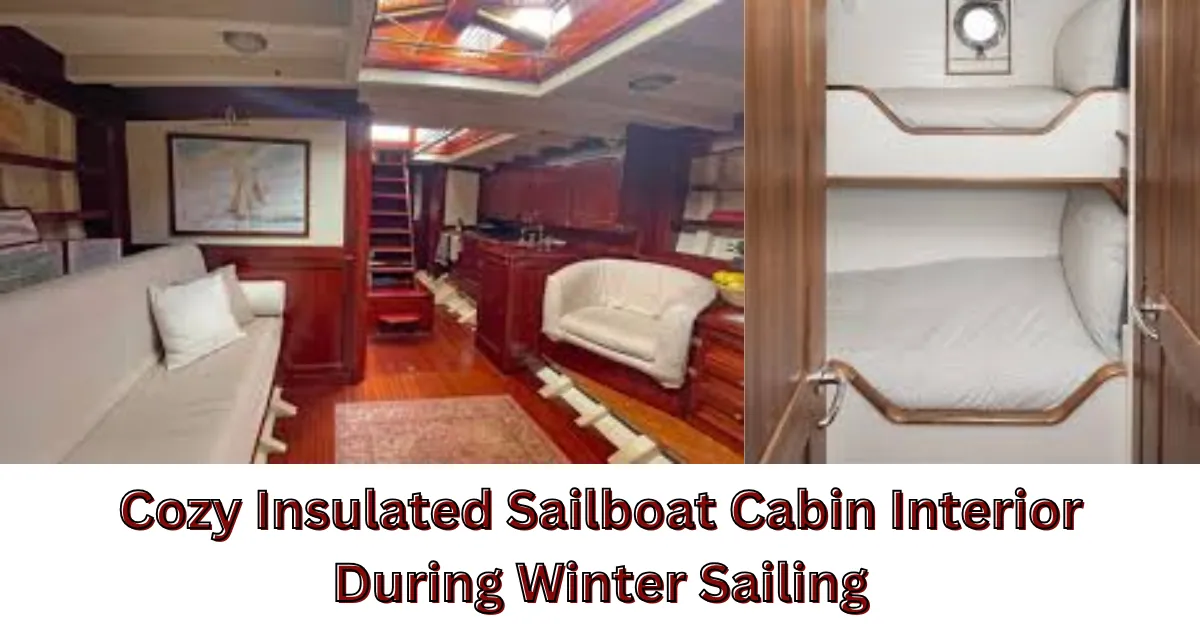
Insulating Sailboat: A Complete Guide to Staying Warm, Dry, and Comfortable on the Water
Insulating a Sailboat: A Clever Improvement for Protection and Comfort– sailboat insulation
Sailboat life may be serene, exciting, and incredibly fulfilling. Comfort in the cabin is more important than many people realise, whether you live on board full-time or take weekend sailing excursions. Appropriate insulation is one of the sailboat’s most neglected upgrades. A well-insulated yacht remains much drier in wet weather, warmer on chilly nights, and cooler in the summer.
Uncomfortable temperatures, mould growing in secret corners, and moisture dripping from cabin ceilings are problems that many seafarers face. In addition to being bothersome, these issues have the potential to eventually harm your boat’s interior. The good news is that one of the best methods to address these problems and improve your onboard experience is to insulate a sailboat.
This comprehensive guide will teach you all you need to know about insulating a sailboat, including the advantages, best materials, installation techniques, typical errors, and useful advice for creating a comfortable marine environment. If you want to information about how to install Reflectix on RV Windows, just click here and read the post.
The Importance of Sailboat Insulation
A sailboat is subject to varying weather conditions all the time. The cottage may feel extremely cold in the winter due to the wind and cold water. Direct sunlight can make the interior feel like an oven in hot climates. Most sailboats lose heat fast and draw moisture inside because fibreglass hulls are thin and easily convey temperature.
Between the interior of the cabin and the outside world, insulation forms a protective barrier. This barrier lessens the accumulation of moisture and aids in temperature management. Almost immediately after installation, the difference is apparent.
Appropriate sailboat insulation provides a number of significant advantages:
minimises condensation within the cabin
Keeps the room warmer during the winter.
Keeps summertime temperatures lower.
aids in preventing mildew and mould
minimises noise from engines and waves outside
increases the energy efficiency of air conditioners and heaters
improves the comfort of overnight stays
Insulation can drastically change a person’s everyday life on the water.
Comprehending and Understanding Sailboat Condensation
Knowing why condensation occurs is helpful before insulating your sailboat. When warm, humid cabin air comes into contact with cold surfaces like fibreglass walls or windows, condensation is created. After that, water droplets start to show up on storage lockers, hull sides, and ceilings.
Moisture is added to cabin air by cooking, breathing, taking showers, and wearing wet clothes. The temperature differential between the interior and outside increases throughout the colder months, which exacerbates condensation issues.
Condensation can eventually result in:
Wet bedding
proliferation of mould
Rotting wood
Corrosion and rust
Unpleasant smells
Electronics that are damaged
By lowering the temperature differential between the cabin air and the hull surface, insulation significantly lowers the accumulation of moisture.
Selecting the Best Sailboat Insulation
Not every type of insulation is suitable for use in maritime settings. Sailboats need insulation that can withstand temperature changes, dampness, vibration, and space constraints. For long-term performance, selecting the appropriate material is crucial.
Insulation using Closed-Cell Foam– sailboat insulation
One of the most widely used materials for sailboats is closed-cell foam. It offers superior thermal insulation and prevents water absorption.
This material is flexible, lightweight, and simple to install within lockers or behind panels. Self-adhesive foam sheets are popular among sailors due of their ease of application. Advantages consist of:
Water-resistant
resistant to mould
Excellent thermal efficiency
Lightweight
resilient in maritime environments
Foil Insulation that Reflects– sailboat insulation
Instead of absorbing heat, reflective insulation works by reflecting it. It is frequently utilised in warmer regions where it is crucial to reduce heat from sunshine.
This kind of insulation works well in confined spaces since it is lightweight and thin.
Benefits
reflects heat from radiation
Simple to install and cut
Effective in regions beneath decks
aids in lowering summer temperatures
But in colder climates, reflective foil could not be sufficient protection.
Foam Spray Insulation
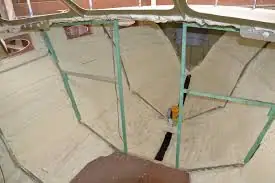
Spray foam fills in gaps and difficult-to-reach areas with a smooth layer of insulation. It offers superior moisture resistance and thermal protection.
Spray foam installation can be messy and challenging for novices, despite its great effectiveness. For larger projects, professional installation is frequently advised.
Advantages of Spray Foam Insulation:
High insulating value
Outstanding air sealing
stops moisture from penetrating
Durability with time
The drawback is that it can be difficult to remove spray foam later.
Insulation made of cork
Boat owners who care about the environment are increasingly choosing natural cork. Cork naturally resists moisture and provides superior insulation and soundproofing.
Additionally, it makes sailboat interiors look cosy and appealing.
Benefits consist of Cork Insulation:
Sustainable
Naturally resistant to mould
Excellent soundproofing
Appealing finish
Although cork insulation may be more expensive than synthetic alternatives, many sailors value its natural appearance and functionality.
Sections of a Sailboat That Require Insulation
The amount of insulation needed for each component of a sailboat varies. Certain regions experience greater heat loss and condensation than others.
Sides of the Hull
One of the main sources of thermal transfer is the hull. Cabin comfort can be significantly increased by insulating the hull sides
Particularly useful for curving hull sections are flexible foam sheets.
The ceiling of the cabin
Cabin ceilings are frequent places for condensation because warm air rises. Water dripping during chilly evenings is lessened with ceiling insulation.
During rainstorms, this region also benefits from sound attenuation.
Sleeping Areas and V-Berth
Because sleeping cabins are situated close to the bow, where there is more hull exposure and breeze, they frequently seem colder.
Sleeping comfort can be greatly increased by adding insulation behind berth cushions.
Compartments for engines
Reducing noise and heat transfer into living areas can be achieved by insulating the area surrounding the engine room. For this region, marine-grade soundproof insulation is typically advised.
Lockers for storage
Lockers have the potential to retain moisture and grow mould. These areas are kept drier by thin layers of insulation.
Making Your Sailboat Ready for Insulation
Before beginning any insulation project, careful planning is necessary. Poor adhesion, retained moisture, and long-term issues can result from hurrying the procedure.
In order to install insulation, start by removing any interior panels, cushions, or trim. Use marine-safe chemicals to thoroughly clean any fibreglass surfaces.
Look for indications of:
Leaks of water
proliferation of mould
Fibreglass damage
Corrosion
Unhealthy wood
Prior to adding insulation, fix any existing issues. Moisture trapped beneath insulation can later cause major concealed damage.
Before starting installation, let all surfaces totally dry.
How to Put Insulation in a Sailboat
It requires patience and careful preparation to install insulation on a yacht. Flexibility is crucial because every boat has different curves and confined places.
Take Careful Measurements
Before cutting insulation materials, measure each area precisely. Complex curves can be made easier by making cardboard templates.
Slice the insulation
Depending on the type of material, use scissors or a sharp utility knife. Fit and look are enhanced by clean cutting.
Use marine adhesive.
The majority of insulating products need self-adhesive or marine-grade adhesive backing. Select adhesives made for humid conditions.
To prevent loose portions later, apply evenly.
Firmly Press Into Position
Carefully smooth the insulation against the ceiling or hull. Make sure there is strong contact and eliminate any air pockets.
Reinstall the Interior Panels
For a tidy look, reinstall wall panels, trim, or fabric coverings when the insulation is in place.
To make their cabins feel cosier, some sailors opt for ornamental fabric panels.
Avoiding Moisture and Mould Issues
On a sailboat, adequate ventilation is still crucial even with insulation. When there is adequate ventilation, insulation functions optimally.
Here are some useful suggestions for controlling moisture:
Do-it-yourself installation is effective for:
Insulation made of foam sheets
Insulation that reflects light
Projects involving small cabins
Professional installation, however, might be preferable for:
Applications of spray foam
Big liveaboard vessels
intricate interior designs
Exquisite finishing work
Expert installers frequently use specialised materials that increase long-term durability and have marine knowledge.
Typical Errors to Avoid
A sailboat’s insulation is a useful improvement, but errors can make it less effective.
Ignoring Issues with Moisture
Insulation should never be placed over damp surfaces or concealed leaks. Mould and structural damage can result from moisture trapped under insulation.
Using Insulation in the Home
In maritime situations, standard home insulating materials may fail due to water absorption. Select marine-friendly goods at all times.
Obstructing Airflow
Humidity can be trapped inside the cabin by excessive sealing in the absence of airflow.
Inadequate Adhesive Selection
Strong waterproof adhesives are necessary in maritime environments. Over time, cheap glue frequently breaks down.
Excessive Insulation in Compact Areas
In small cabins, adding too much insulation can unnecessarily restrict living space.
The Price of Sailboat Insulation
The size of the boat, the type of insulation, and whether or not you engage experts all affect the final cost.
The following are approximate pricing ranges:
Foam sheet insulation: reasonably priced
Reflective foil insulation: inexpensive
Cork insulation: a high-end choice
Spray foam insulation: more expensive
DIY projects for tiny sailboats can frequently be finished on a budget without sacrificing quality.
The Ideal Climate for Insulating Sailboats
In almost every environment, sailors benefit from insulation.
Sailing in Cold Weather
Insulation lessens condensation from cold water temperatures and helps keep people comfortable in colder climates.
Tropical Cruising
Reflective insulation lessens heat accumulation inside the cabin in hot climes.
Comfort of Living on Board
Because insulation enhances everyday comfort throughout the year, year-round residents stand to gain the most.
Concluding Remarks On
Although it’s not the most showy addition, insulating a sailboat is one of the best things a sailor can do. All year long, a well-insulated cabin gets warmer, quieter, drier, and more pleasant.
Insulation may significantly enhance your boating experience, whether you are planning a full-time liveaboard lifestyle, getting ready for winter cruising, or are just sick of waking up to soaking cabin walls.
The best aspect is that even minor improvements to insulation can have a significant impact. Your sailboat can seem much less like a wet fibreglass shell and more like a comfortable floating home with the correct components, careful installation, and adequate ventilation.
By investing in insulation now, you can safeguard your boat, increase comfort, and enjoy every water trip for many years to come.
Do let us know how you feel about this information by commenting.
Like our Facebook page and follow for other updates like this.